
Little moments, big connections: what four years of Good Work has taught us so far
Almost one in three Australians feel lonely. Loneliness doesn't stay at home: it comes with us to the office, the school gate and the bus stop.
For the past four years, Little BIG Foundation has run Good Work, a program that brings people together in office buildings. Every year we ask the people who work there how connected they feel and what is helping. Our new Good Work Report 2026 shares what we found.
The report is written for building owners, but its lessons apply to anyone who wants to feel less alone, or help someone else feel that way. After four years, one finding holds: people make friends by doing things together.
Here are five lessons from this year's report that apply far beyond the office.
1. Do something together, don't just turn up
A free coffee in the lobby drew the biggest crowd of any event this year. But only 40% of the people who came met someone new.
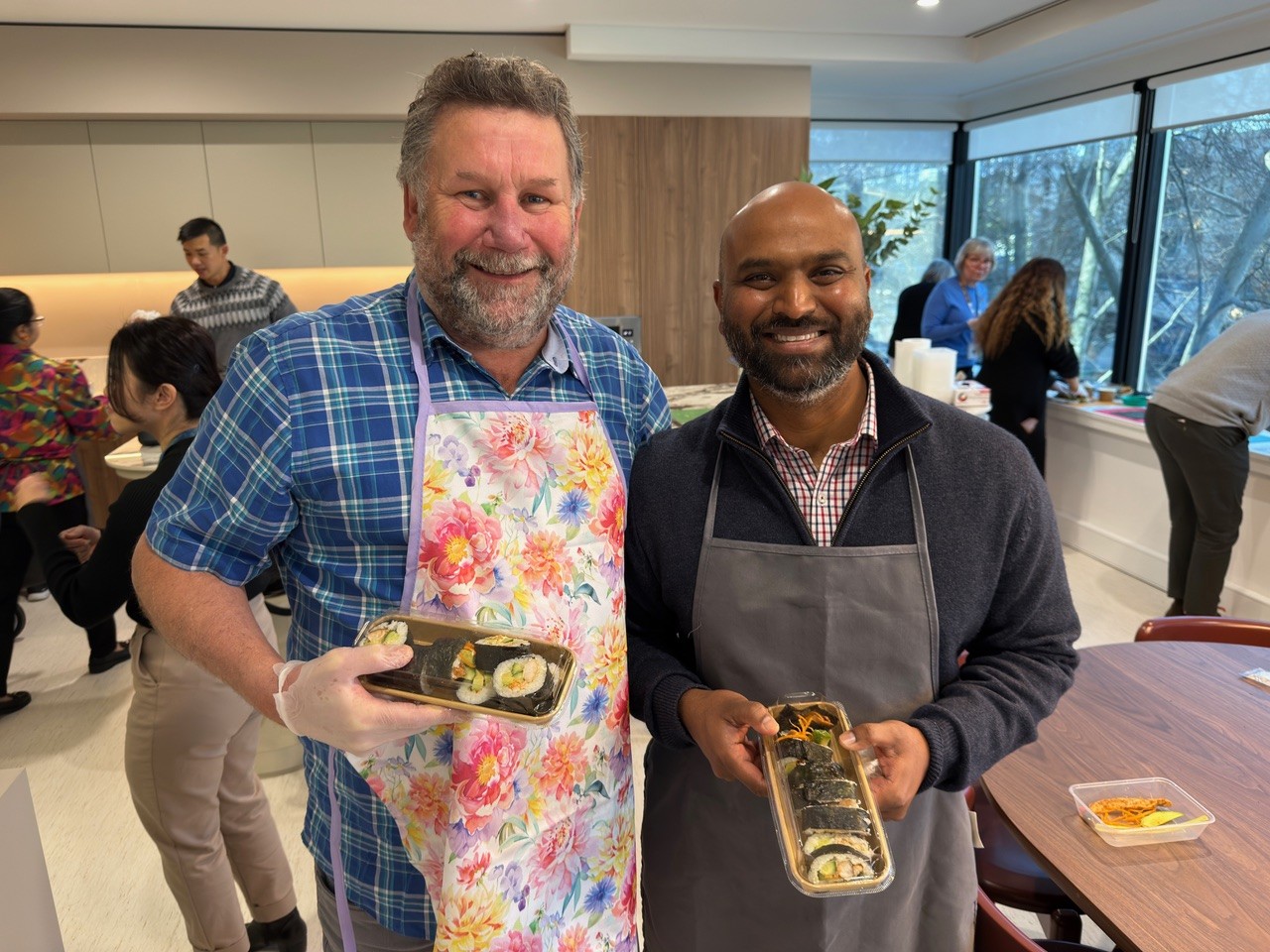
At food and creative workshops, where people sat side by side and made something together, 64% did.
The difference is the shared task. Making dumplings or blending a scent gives strangers something to do with their hands and an easy thing to talk about. Nobody has to walk up to a stranger and start a conversation from nothing.
"Sitting with new people and then bumping into them in the lift."
The same is true outside work. A cooking class, a community garden or a craft group will usually do more for your social life than a party where you know no one.
2. Keep coming back
Connection grows with repetition. Of the people who went to no building events, 11% met someone new. After one event, it was 32%. After three or more, it was 56%.
The first time you go somewhere new, you're mostly working out where to sit. By the third time, you recognise faces, and the people you met start saying hello in the lift. One of our respondents described the payoff as "putting names to faces of people I regularly see around the building".
If you tried something once and it felt awkward, give it two more goes. That's usually when it starts to feel like yours.
3. New beginnings are the moment to reach out
People who had worked in their building for less than a year were the least likely to have met anyone new: 26%, against 37% overall. Yet they were the biggest group in our survey.
This matches what we see everywhere. Starting a new job, moving house or arriving in a new city cuts us off from our old groups before we've found new ones. Australian research shows these transitions are a known peak time for loneliness.
If someone new has joined your workplace, your street or your apartment block, the first few weeks are when an invitation matters most. A coffee, an introduction or "come along, I'll save you a seat" goes a long way.
4. The people who need connection most ask for it least
People who felt lonely chose fewer activities and were less likely to say community programs mattered to them. When they did ask, they leaned towards quieter things: mindfulness, gentle movement, self-care and mental health support. In 2024, they were nearly four times as likely as others to ask for mental health training.
Meanwhile, people who already felt connected asked for food, fitness and networking: the busy, energetic events that tend to fill a calendar.
That's a lesson for anyone who runs a club, a workplace social committee or a community group. If you only plan what's most popular, you'll build something great for people who are already doing fine. Make room for smaller, gentler activities too, where someone who finds a crowded room hard can join in without pressure.
"Lunchtime slot 'doing' something rather than networking drinks, which can be intimidating."
5. Places matter
When people describe connection, they describe places: a nod in the lobby, a chat in the lift, a shared table at lunch. Sociologist Ray Oldenburg called these "third places": the spots between home and work where people gather, feel welcome and get relief from isolation.
People in our buildings asked for more of them: a communal lunch area, a shared gym, a lobby they could linger in.
This is the same idea behind the Little BIG House in Summer Hill. We designed it to feel like a shared living room, not a venue for hire. Whether it's an office lobby or a neighbourhood hub, a welcoming space gives people a reason to stay a little longer, and that's often when a conversation starts.
Little moments, big smiles
You don't need a program or a budget to put these lessons to work. This week, you could:
- Join something that has a shared task, like a class, a working bee or a walking group
- Go back to something you tried once
- Invite someone new to lunch or to an event you're already going to
- Suggest a quieter option next time your team or group plans something
- Linger a little: say hello to the person you always see in the lift
Small moments of connection add up. Four years of Good Work shows they can change how people feel about where they spend their days.