
We tend to measure connection by our closest relationships; partners, family, best friends. But new research on loneliness in Australia suggests that's only half the picture. The people we chat to occasionally, the neighbours we wave to, the strangers we meet at a local event. These looser, lower-effort relationships do more heavy lifting than we give them credit for.
The strength of "weak" ties
Sociologists have long called these casual, peripheral relationships "weak ties", as opposed to the "strong ties" of close family and best friends. It sounds like weak ties would matter less. In practice, the opposite seems true. Weak ties introduce us to new people, new ideas, and new opportunities that our close circles, precisely because they're so close to us, usually can't.
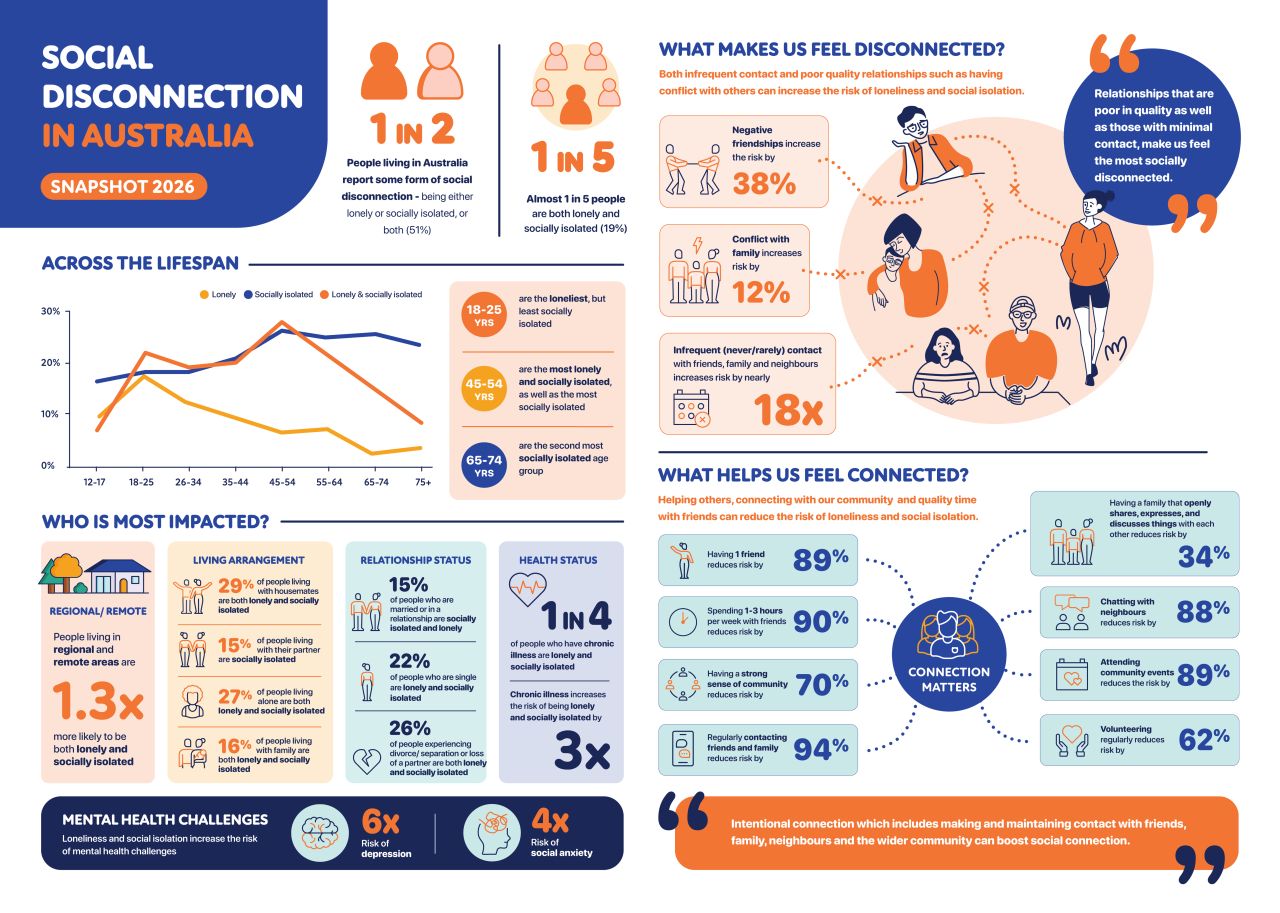
Ending Loneliness Together's State of the Nation 2026 report puts numbers behind this idea. According to the report, people who regularly chat with their neighbours are substantially less likely to experience loneliness and social isolation than those who rarely do. A finding mirrored in our own community survey's and feedback. The same holds for community events: regularly attending events that bring people together is linked to an 89% lower risk of being both lonely and socially isolated, a 75% lower risk of social isolation, and a 56% lower risk of loneliness.
Even encouraging someone else to join a community group has a measurable protective effect for the person doing the encouraging (!!)
None of these are deep, effortful relationships. They're the low-stakes, easy-in-easy-out interactions that a community event is built around. And that turns out to be exactly the point.
Why wider social circles matter
A tight inner circle is important, but it's not built to do everything. Close relationships offer depth, but they can also be narrow: the same handful of people, the same conversations, the same support. Wider social circles of acquaintances, fellow volunteers, regulars at the same event, well, they spread the load. They mean there's always someone to talk to, even on the weeks your closest people are busy, unwell, or far away.
The report's data backs this up in an unexpected way: it's not really about how close a relationship is, but how often and how well it happens. According to the report, spending even a modest one to three hours a week with friends (that's three Little BIG events) meaningfully lowers the risk of loneliness and isolation. Conversely, people who spend no time with friends at all are the most likely to experience both.
Frequency and quality, not depth alone, seem to be doing protective work.
Why community events are more than "nice to have"
It's easy to think of a community morning tea, a local working bee, or a monthly meet-up as a pleasant "extra" in life. Good for the day, but not much more. Easy to cut out in a busy week. The research suggests otherwise.
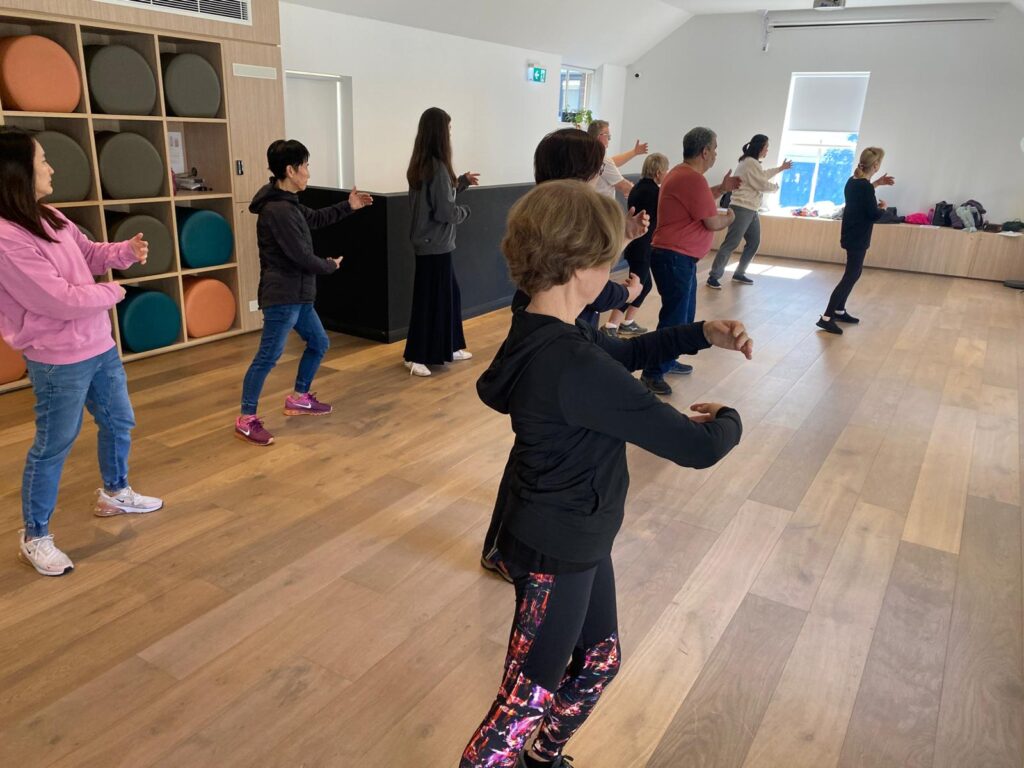
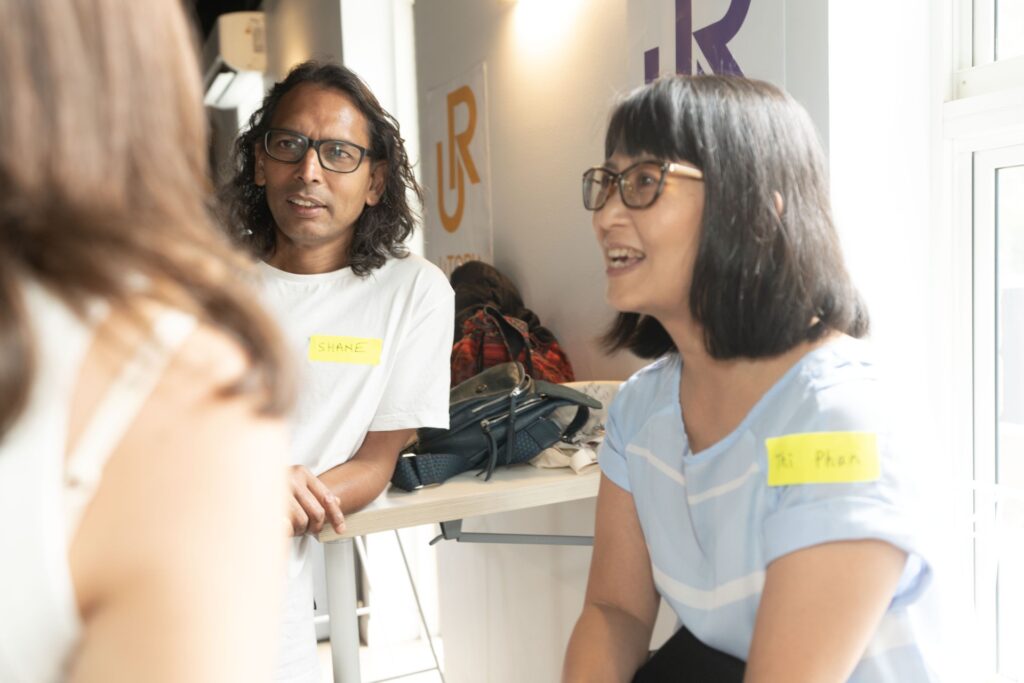
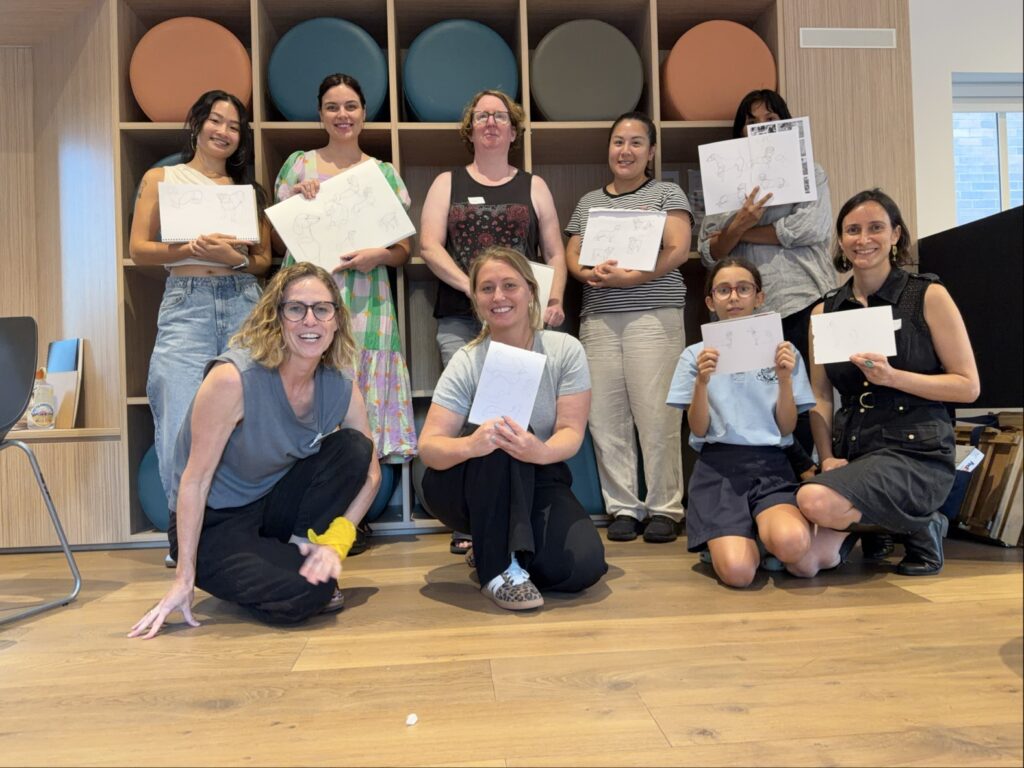
Community events are one of the few settings that reliably create and refresh weak ties at scale. They're low-pressure, repeatable, and open to people who might not otherwise cross paths with each other.
They also do something that one-off good deeds can't: they build a habit of connection.
A single conversation with a neighbour is nice. A standing Tuesday coffee catch-up, a regular working bee, or a monthly street barbecue turns that single moment into an ongoing thread. One that's there for people during the parts of life when their closer relationships are stretched thin.
Make room for people
The peak body for loneliness prevention, Endling Loneliness Together, is asking us to all 'make room' this loneliness awareness week. Open the circle up to a few more weak ties.
- Inviting the new colleague to the group dinner.
- Suggest a long walk for coffee.
- Showing up for people you care about, even on a busy day.
- Take a moment longer at the letterbox for a conversation with a neighbour.
Small acts of connection add up.
What this means for us
At Little BIG, this is exactly why we keep showing up to organise events, big and small. Every event is doing more than it looks like on the surface. It's building the wider web of connection that research increasingly tells us Australians need more of. Not instead of close relationships, but alongside them.
If you've ever wondered whether it's "worth it" to turn up to a local event where you don't know many people yet, the evidence says yes. Every weak tie you build is one more thread in a much bigger, much stronger net.
Source: Ending Loneliness Together, State of the Nation 2026: Understanding and Rebuilding Social Connection in Australia. Read the full report here.